


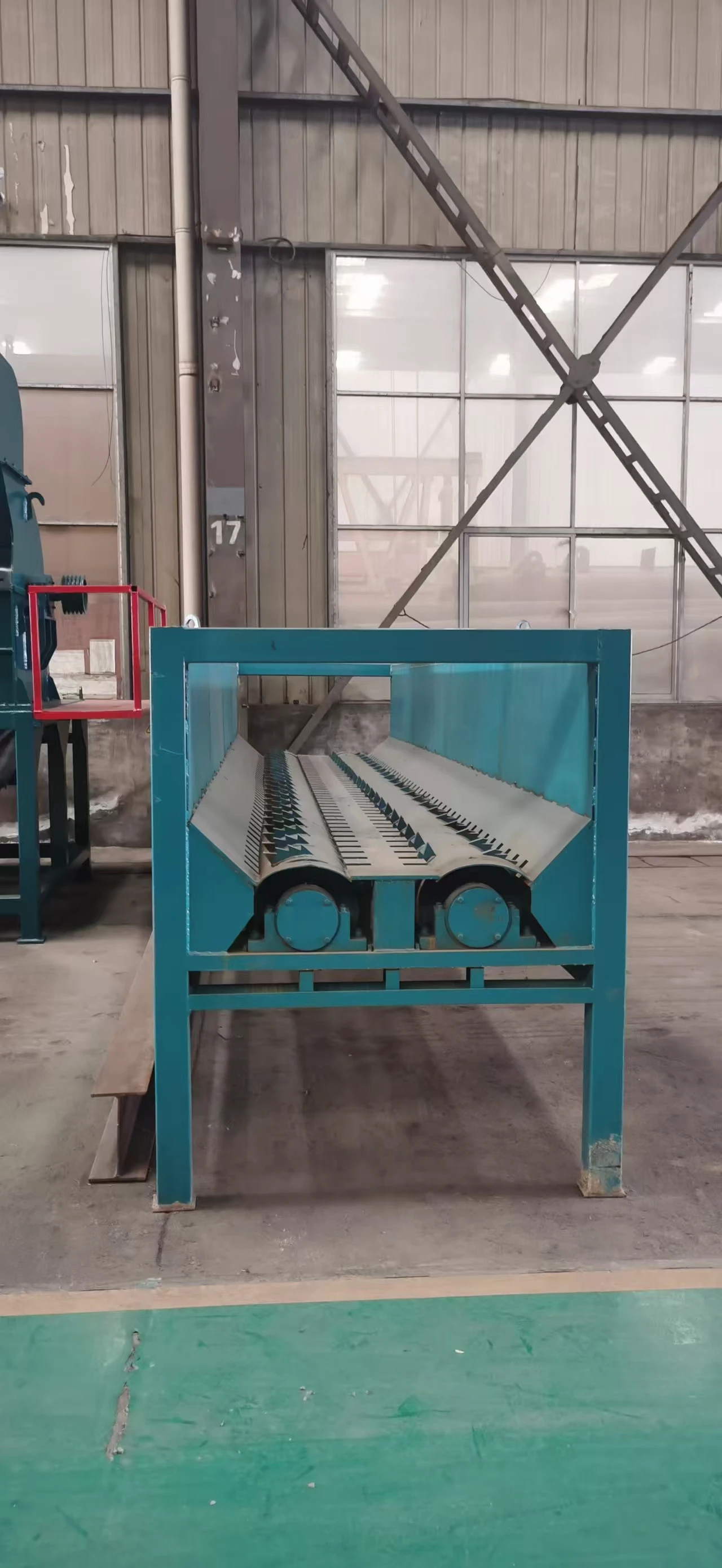
I. Main Applications
- Wood Processing Plants: Debark logs to improve wood utilization rate and product quality.
- Biomass Power Plants: Separate bark from wood for efficient combustion and energy utilization.
- Paper Mills & Fiberboard Plants: Preprocess raw materials to reduce impurities and enhance slurry quality.
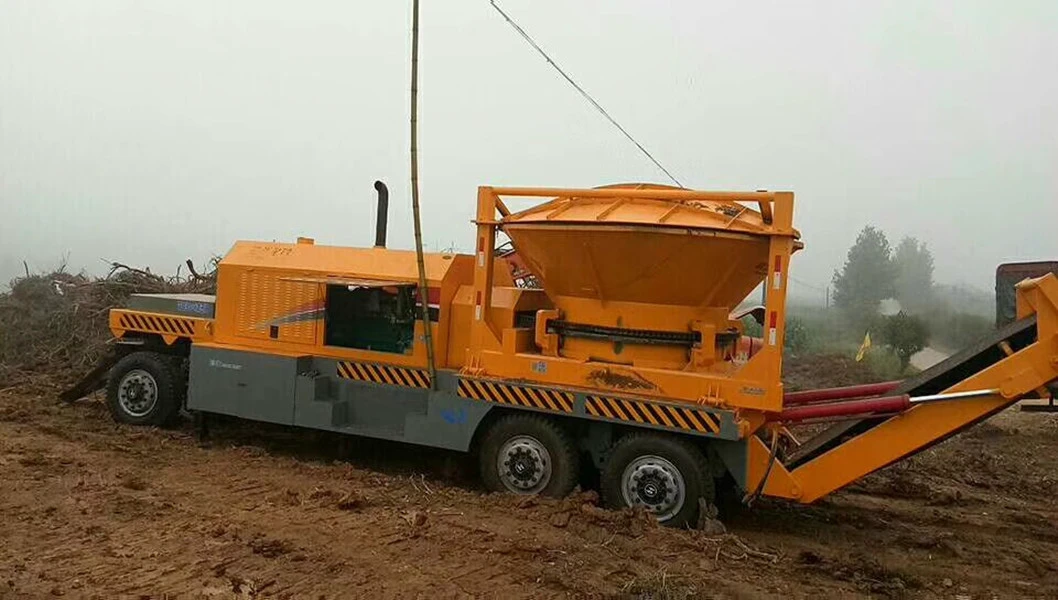
- Forestry Farms & Wood Recycling Centers: Process logs and branch materials in bulk.
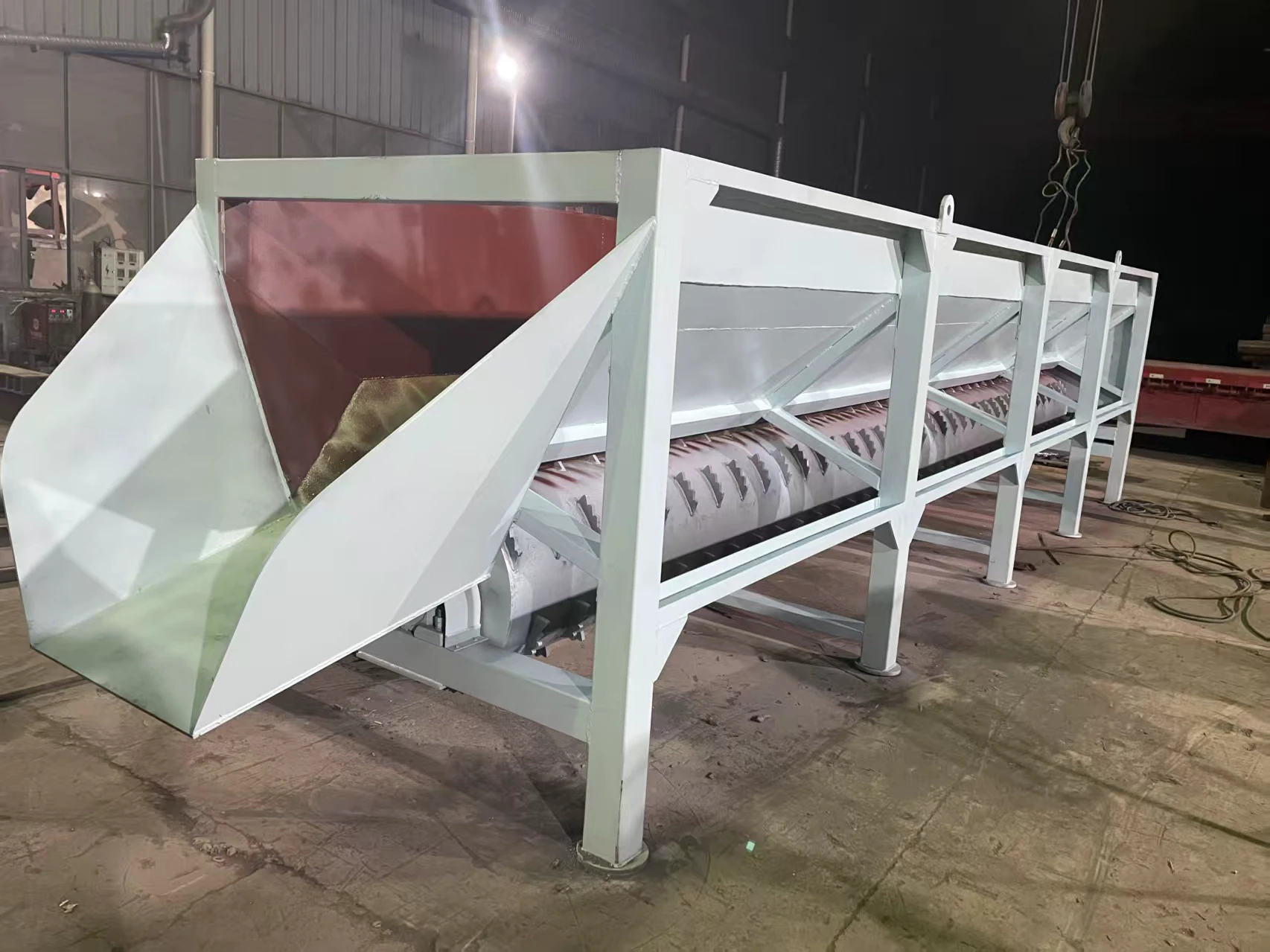
II. Working Principle
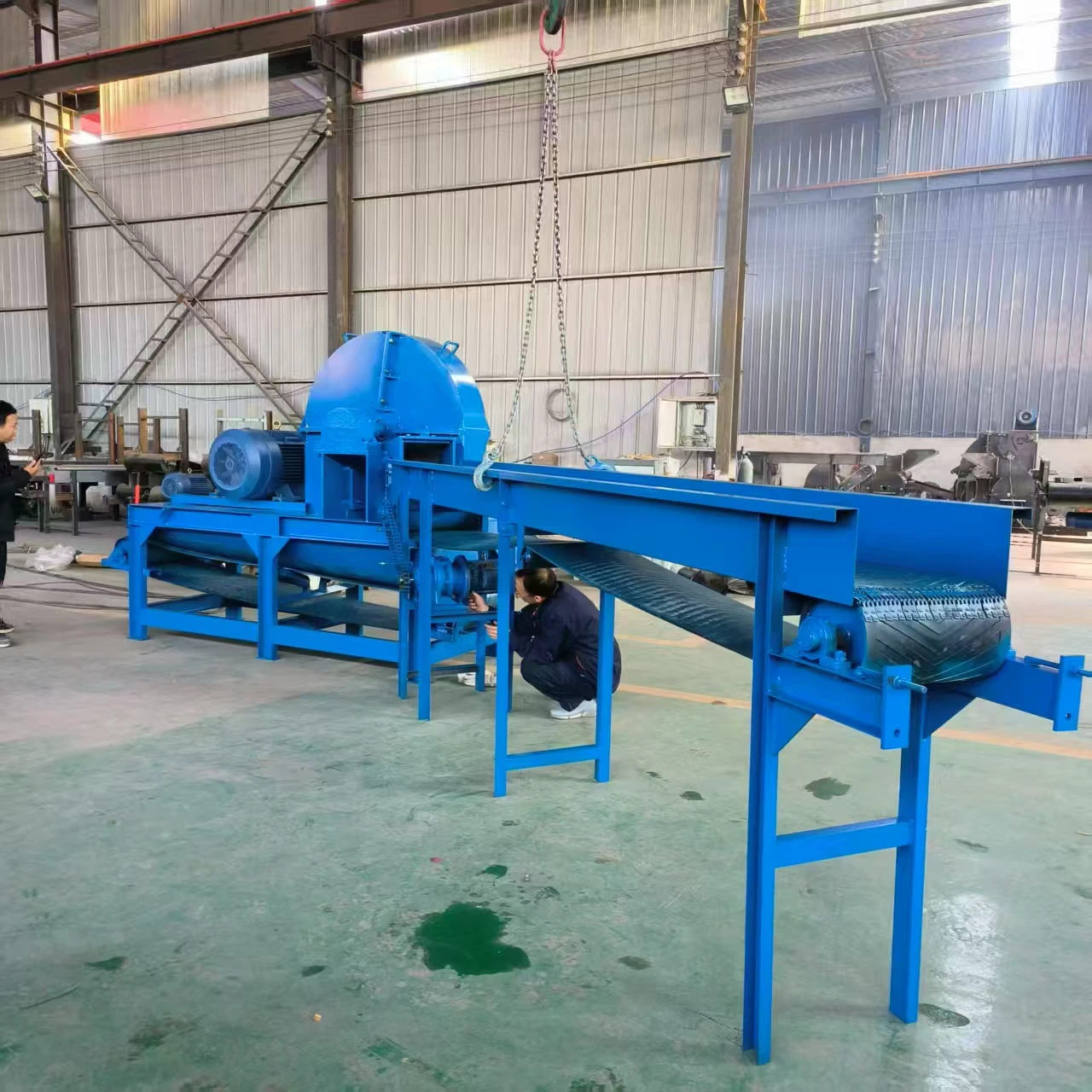
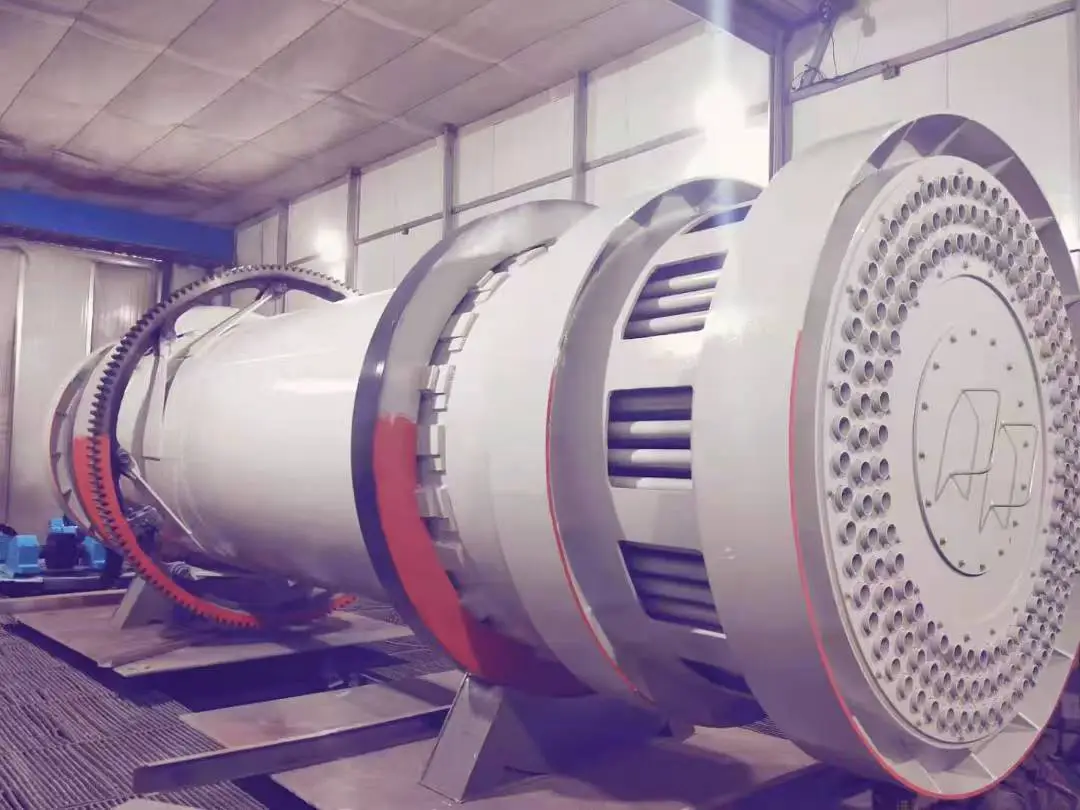
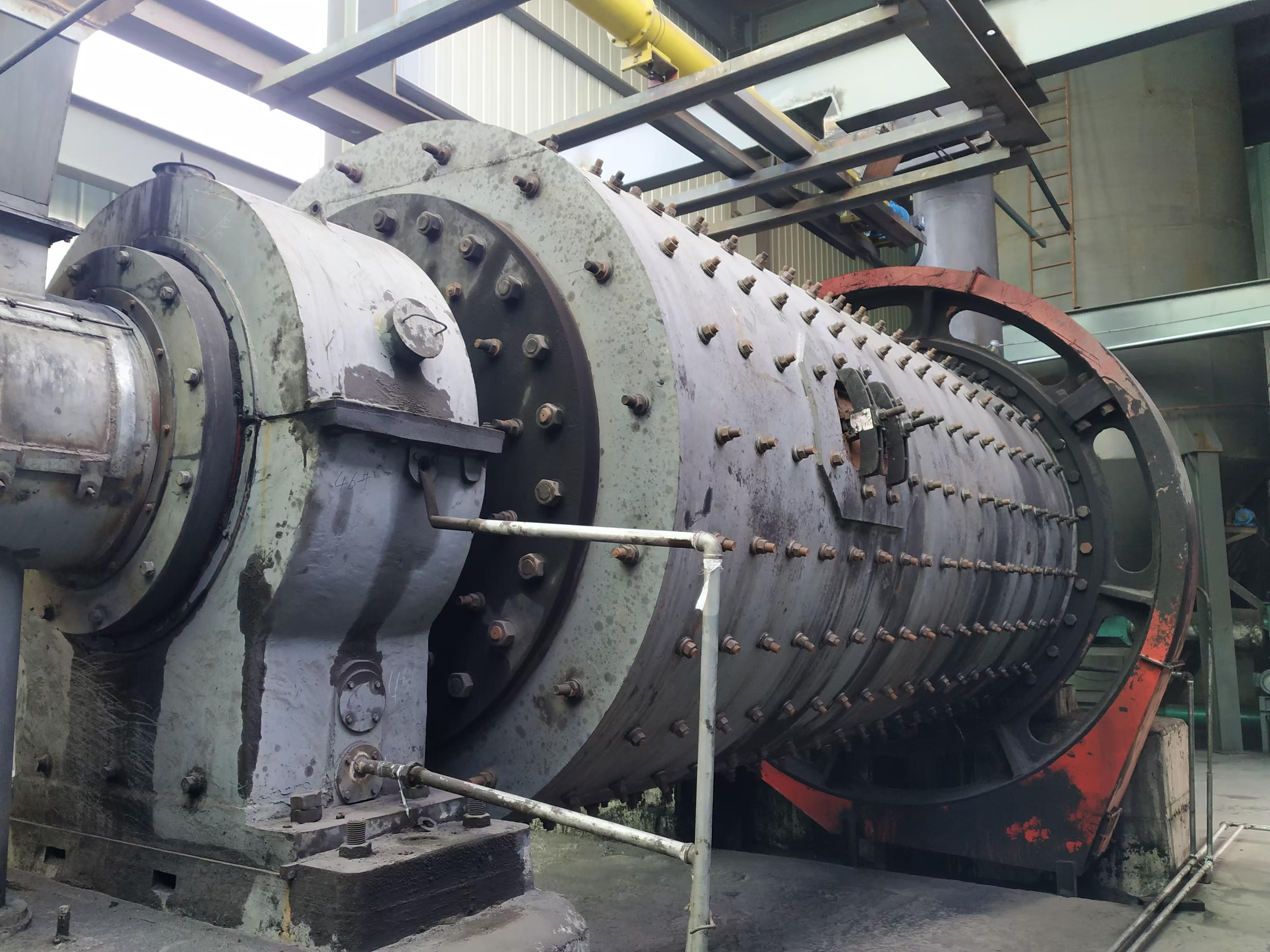
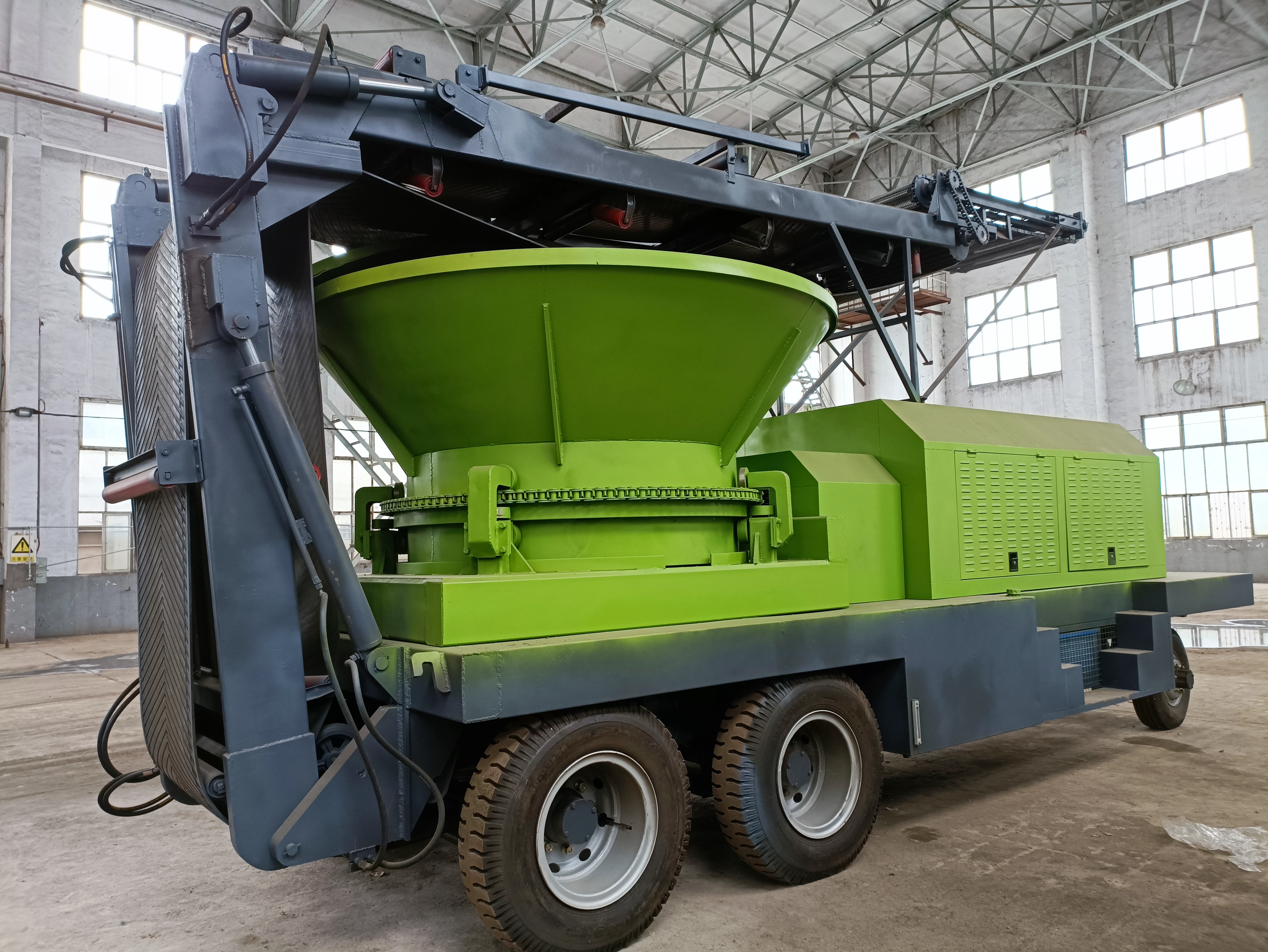
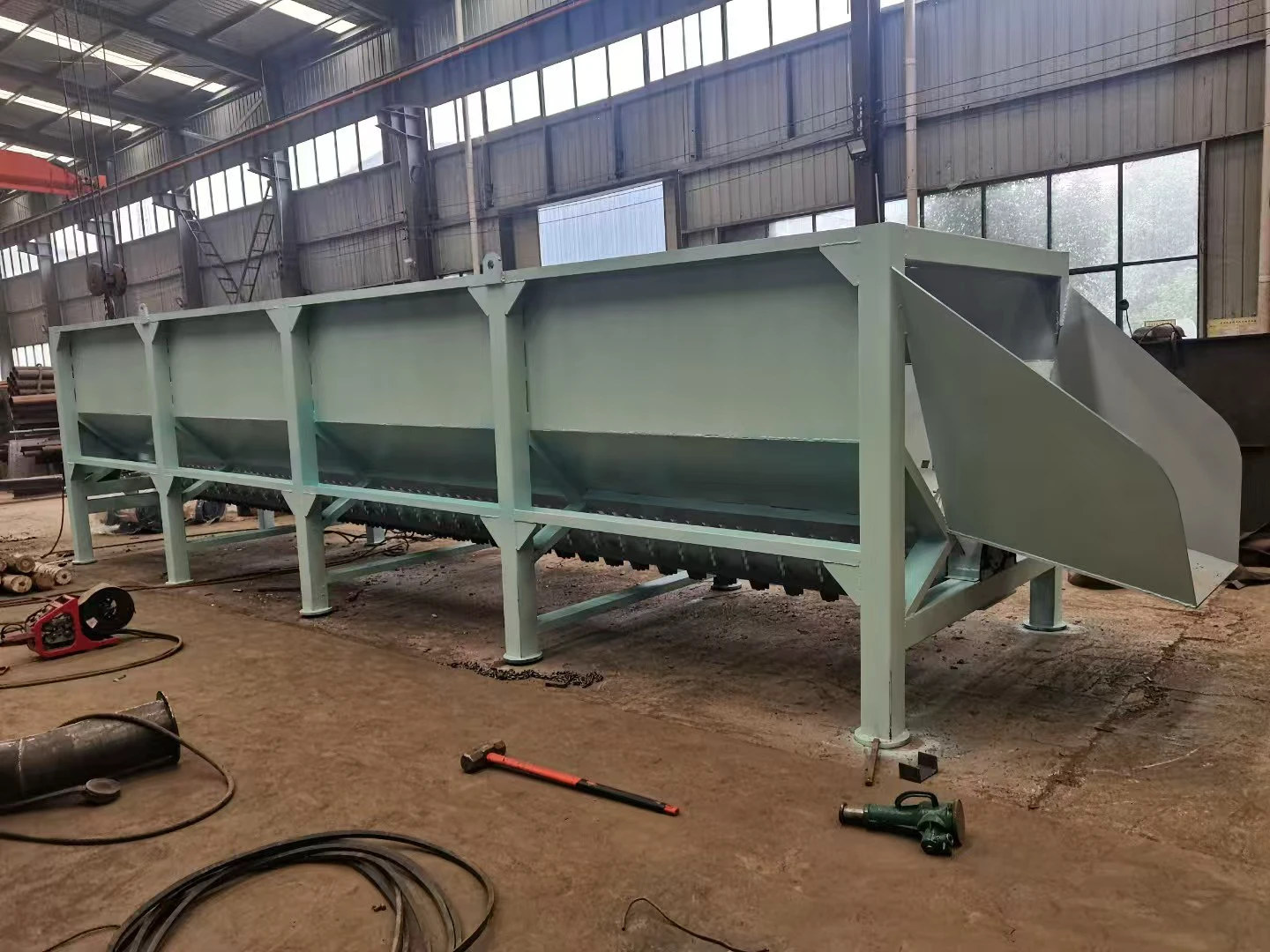
Common models include drum-type, rotor-type, and double-roller type:
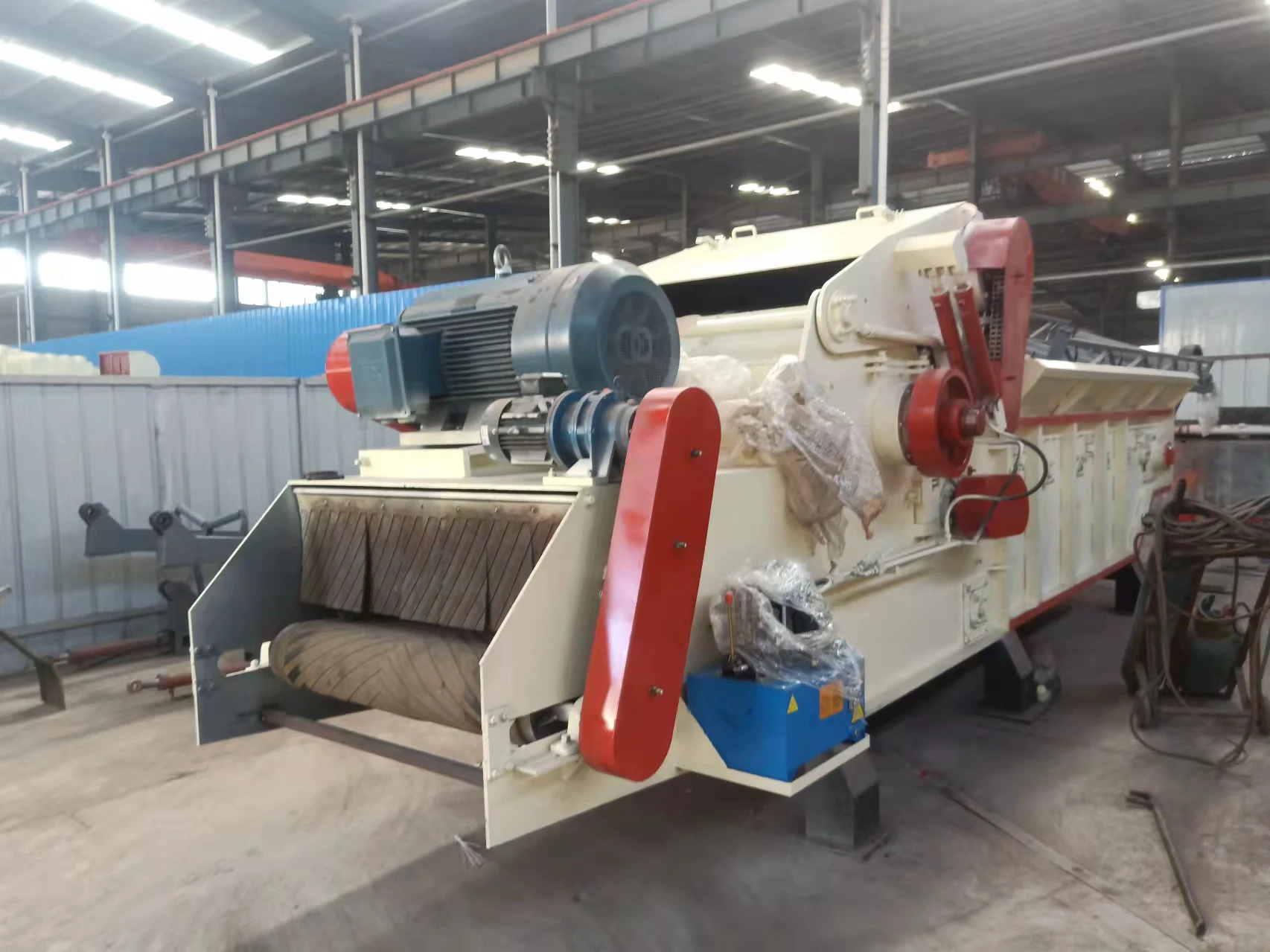
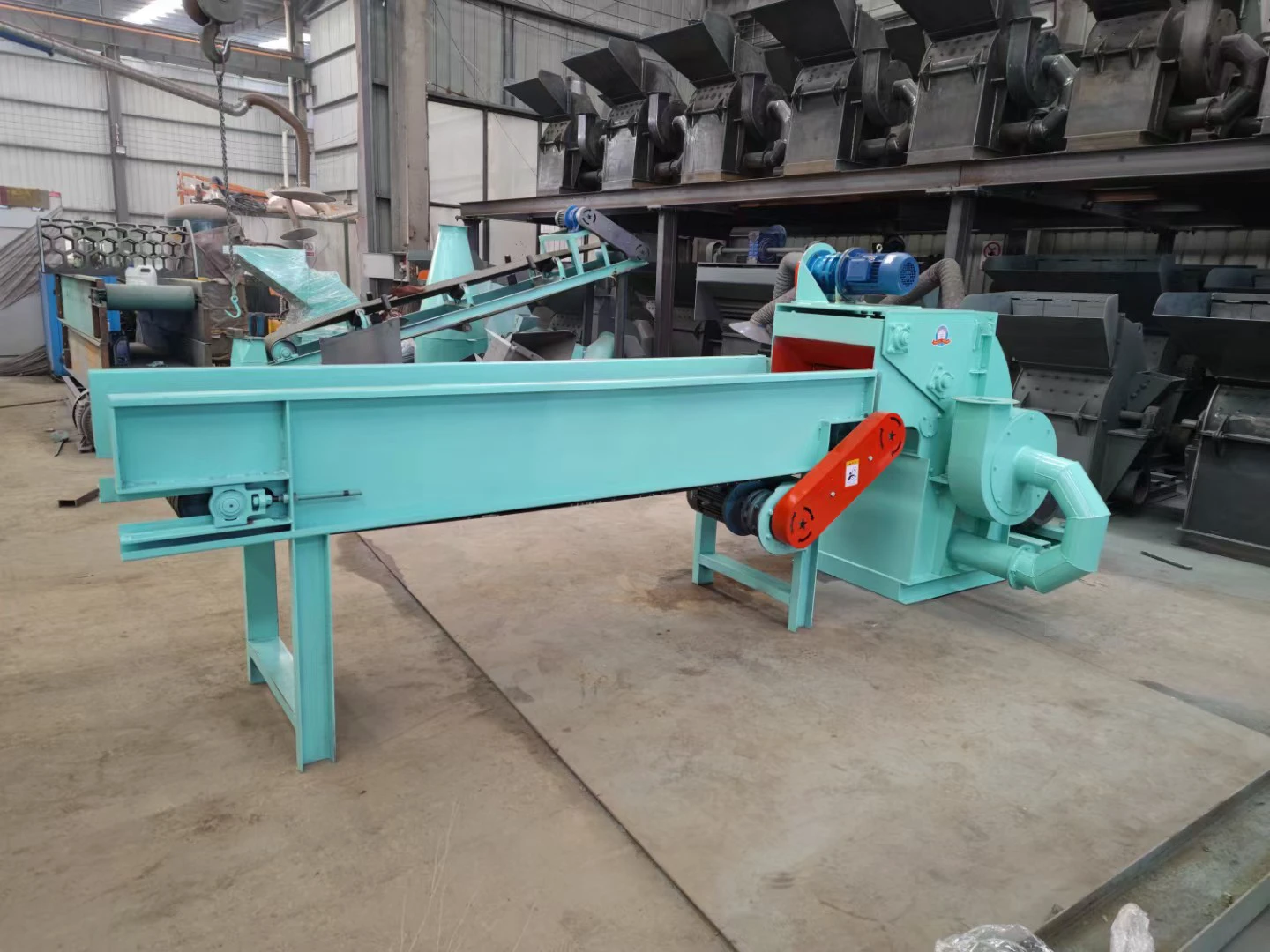
- The machine uses high-speed rotating peeling rollers, peeling knives, or teeth to rub, impact, and scrape the wood.
- It detaches the bark efficiently without damaging the wood itself.
- With a dedicated discharge structure, it enables automatic feeding, continuous debarking, and automatic discharge.
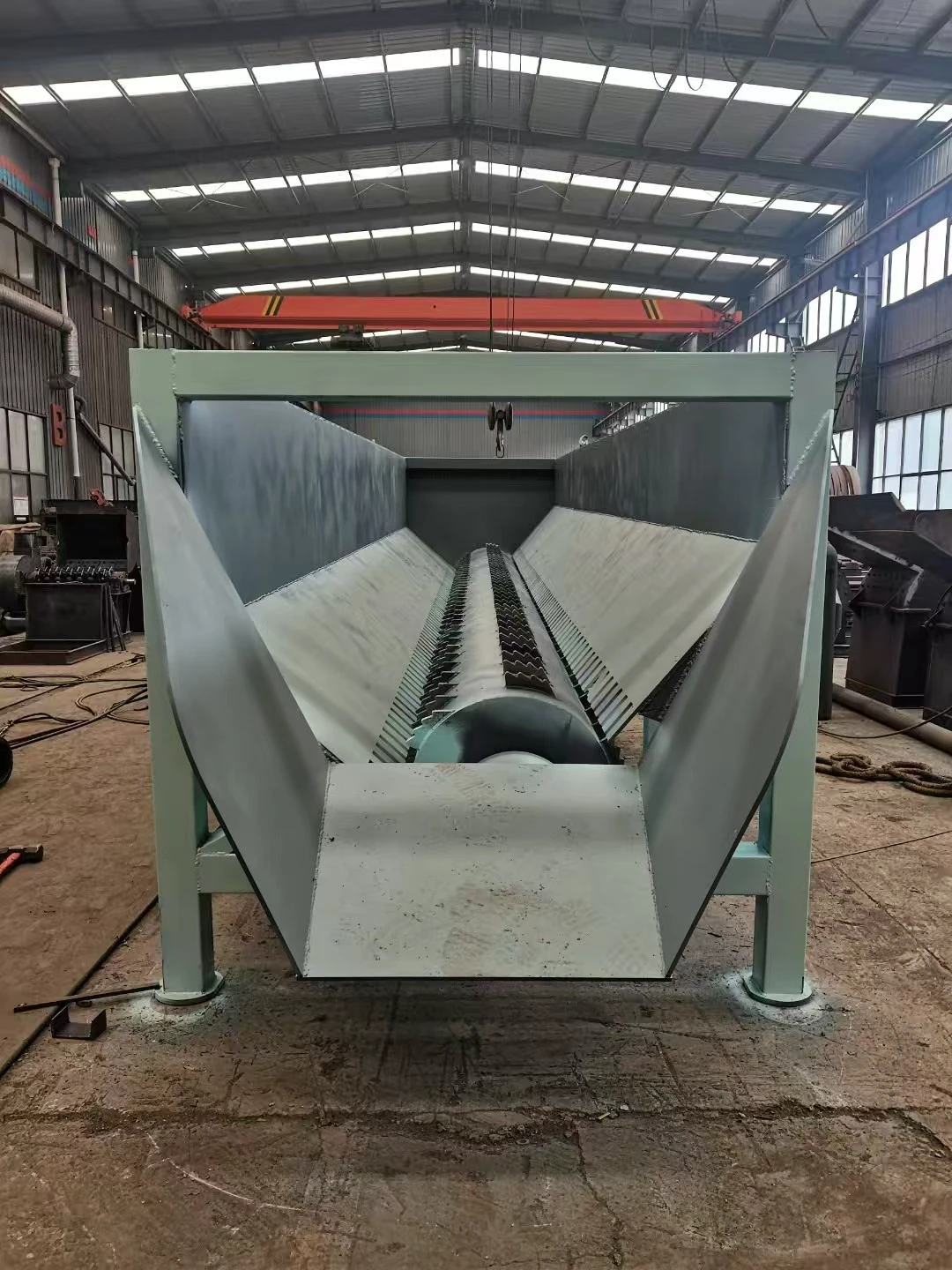
III. Equipment Features
1. High Debarking Efficiency
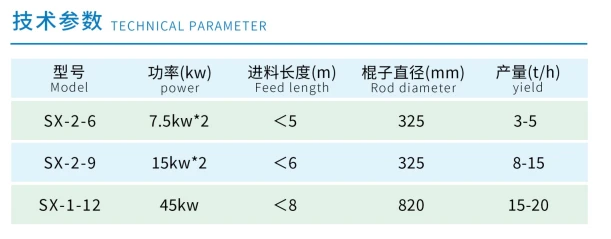
A single machine can process several tons to over ten tons of wood per hour, significantly replacing manual labor.
2. High Clean Debarking Rate & Low Loss
Under normal working conditions, the clean debarking rate can reach over 95%, with low wood loss rate.
3. Strong Adaptability
Suitable for various soft and hard woods such as poplar, pine, eucalyptus, and fir, also compatible with bent wood and small-diameter wood.
4. High Automation
Can be used as a standalone unit or integrated into production lines for continuous, large-scale operation.
5. Durable & Low-Maintenance
Equipped with wear-resistant cutter teeth and drums, easy to replace vulnerable parts for long-term continuous operation.