



To select industrial baghouse filter bags effectively, consider the following key factors and their corresponding criteria:
1. Material Compatibility with Operating Conditions
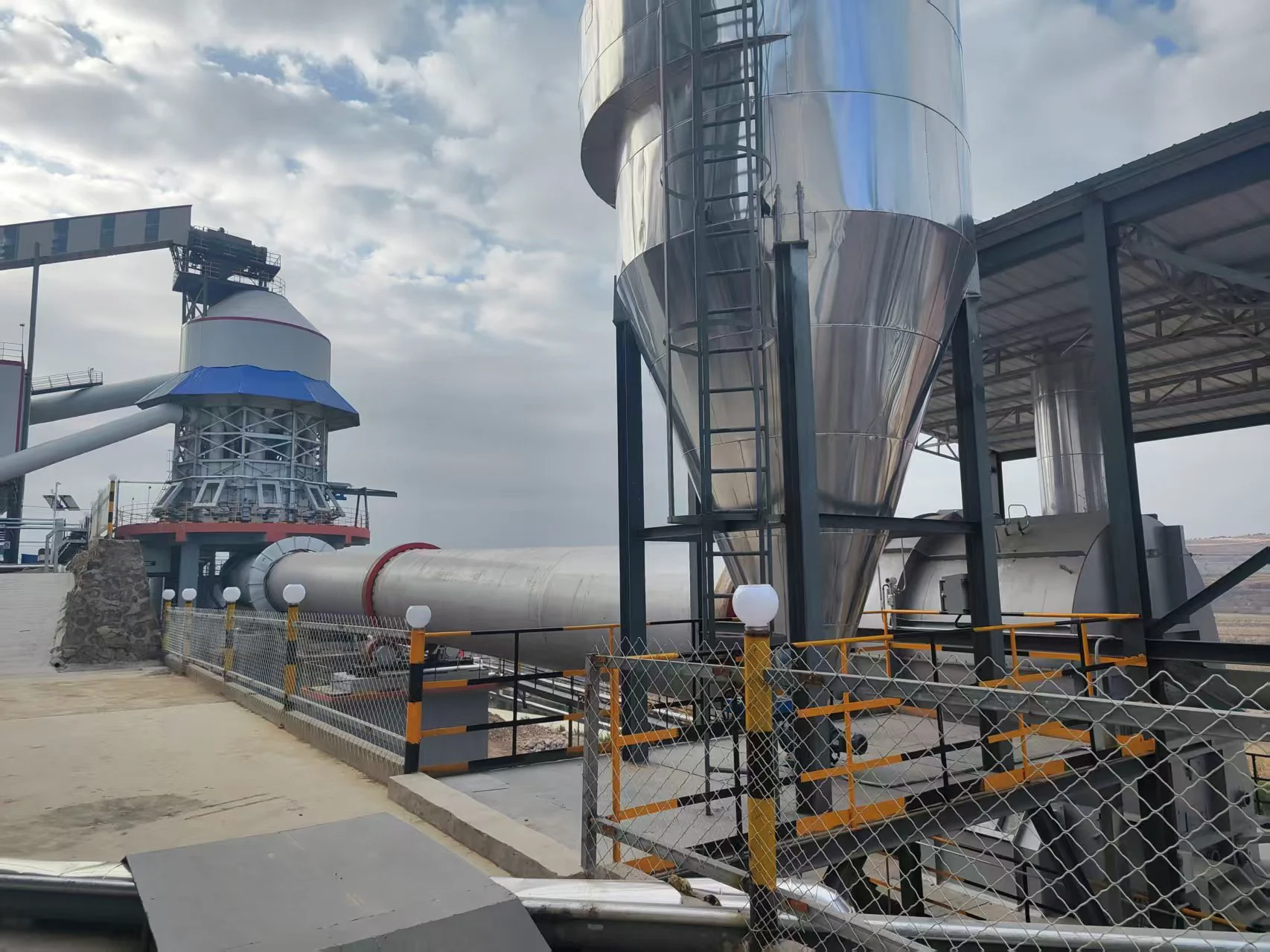
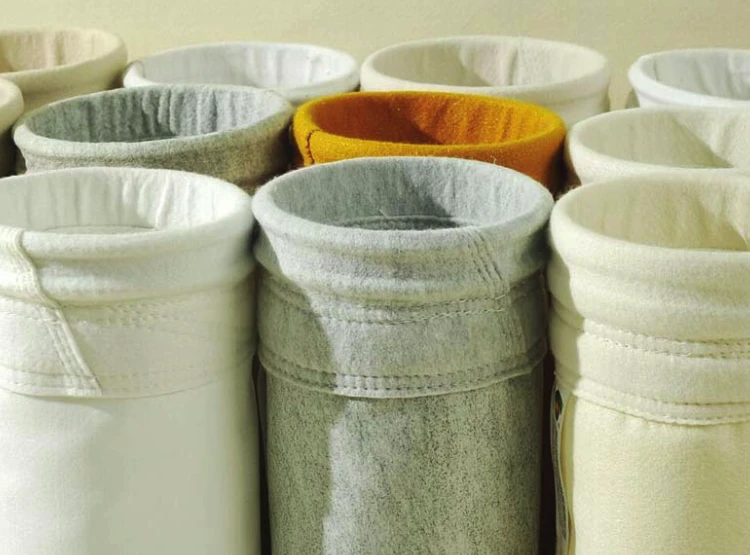
- High-temperature environments (e.g., cement, steel industries): Use heat-resistant materials like PPS, aramid (Nomex), or PTFE, which maintain stability up to 300°C.
- Corrosive gases (e.g., chemical plants): Opt for PTFE or fiberglass due to their strong acid/alkali resistance.
- High humidity/moisture: Select membrane-coated filter bags to prevent moisture absorption and clogging.
2. Particle Characteristics and Filtration Precision
- Coarse particles: Standard needle-punched felt suffices for basic filtration.
- Fine/submicron particles: Use membrane-coated or composite filter bags with microporous surfaces to achieve high-efficiency filtration (e.g., PM2.5 control).
3. Air Permeability and System Resistance
- Prioritize materials with balanced airflow and low initial resistance to reduce energy consumption. Request air permeability coefficient data from suppliers to match system requirements.
4. Size and Compatibility with Baghouse Design
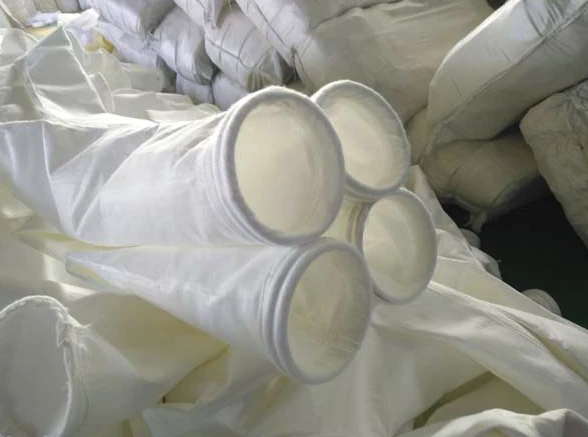
- Ensure exact dimensions (length, diameter) align with your baghouse specifications. Incorrect sizing can lead to leaks or reduced efficiency.
5. Durability and Cost Optimization
- Abrasion-resistant materials (e.g., fiberglass membrane-coated bags) extend lifespan in high-wear environments, lowering long-term replacement costs.
- Balance initial investment with operational savings; avoid low-quality options that require frequent replacements3.
6. Supplier Reliability and Support
- Verify suppliers’ technical expertise, certifications, and after-sales services (e.g., troubleshooting, maintenance guidance).
- Request samples or onsite evaluations to validate product performance.
By systematically evaluating these factors, you can optimize filtration efficiency, reduce operational costs, and ensure compliance with environmental standards.