


Core Working Principles and Operational Process
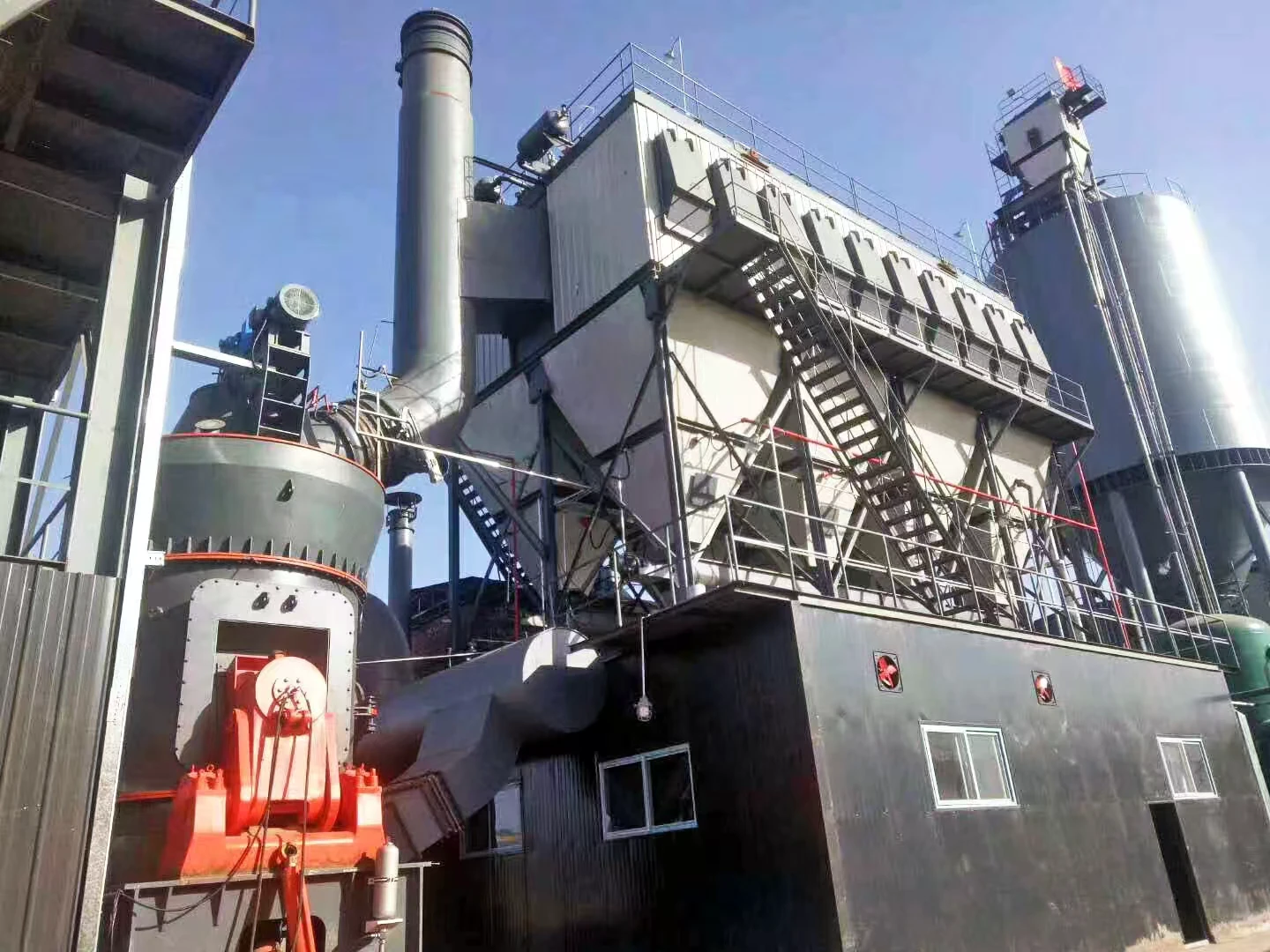
The equipment operates on the core mechanisms of planetary rotation + spin of grinding rollers, centrifugal force-induced tight pressing of grinding rings, scraper-fed material delivery, and airflow classification. Preprocessed materials (particle size ≤30mm, moisture content <6%, Mohs hardness ≤7) are uniformly fed into the mill via the feeder. Scrapers continuously transport the material to the gap between the grinding rollers and rings, where it is crushed into powder under compression, shearing, and rolling forces. The airflow from the fan carries the powder upward to the classifier (sizer), with qualified fine powder entering the collector while coarse powder falls back for regrinding, forming a closed-loop cycle. The entire system functions through the coordinated operation of six major subsystems: the main unit, classification, fan, dust removal, feeding, and collection. Any deviation in the performance of any component will impact the overall operational conditions.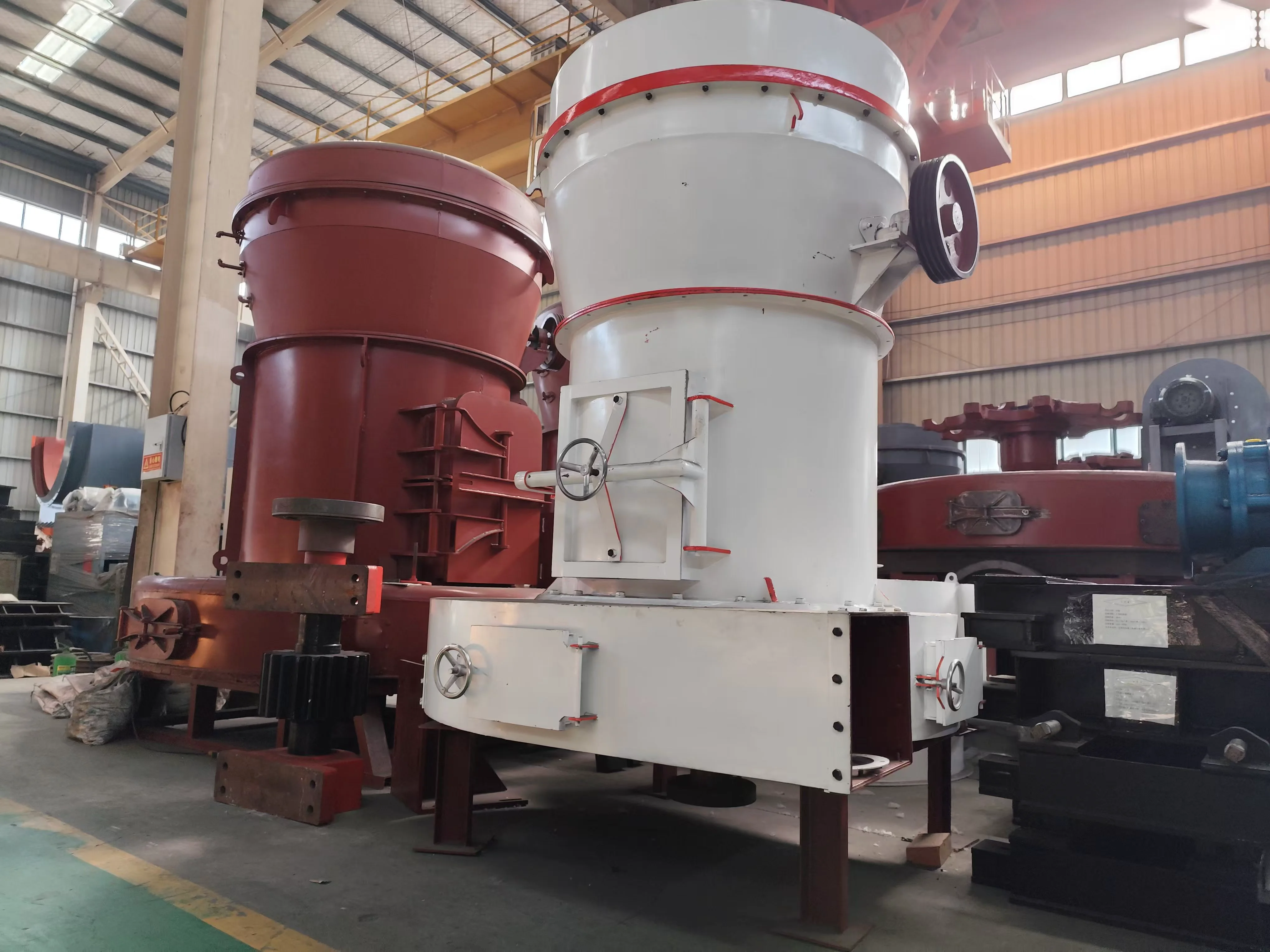
Characteristics of Normal and Stable Working Conditions
Stable operation is the optimal working condition of the equipment, characterized by steady parameters, regular sounds, consistent material discharge, normal temperature rise, and no leakage. The specific judgment criteria are as follows:
1. Power and Electrical: The main unit, fan, and analytical electromechanical current remain stable within the rated range, without sudden surges or drops; voltage fluctuations are minimal, and the electrical control system operates without alarms or tripping.
2. Vibration and Noise: The main unit exhibits uniform and mild vibration without severe shaking; the noise is continuous and stable, free from impacts, scraping, screeching, or other abnormal sounds, meeting the equipment and environmental noise level requirements.
3. Temperature and Lubrication: The temperature rise of the main bearings and grinding roller bearings should be ≤80°C, with sufficient lubrication, no dry grinding noise, no oil leakage, and no dust accumulation or jamming; the oil pressure and temperature in the oil circuit should remain stable.
4. Material and Discharge: Continuous and uniform feeding with no interruptions or surges; stable and compliant discharge particle size meeting standards, production output conforming to design values; no blockages, no return material, no slag spitting, no oversized particles.
5. Airflow and Negative Pressure: Ensure the air duct is unobstructed, with stable air pressure/negative pressure; maintain normal dust removal efficiency, free from powder leakage or dust emission; ensure the pipeline is free from powder accumulation or blockage.
6. Structure and Sealing: The body, base, coupling, and belt/chain transmission operate smoothly; seals are intact, with no dust leakage, looseness, or misalignment.Common abnormal working conditions and cause determination
Abnormal states are often caused by feeding, wear, lubrication, air volume, foreign objects, foundation, and sealing issues. Typical manifestations and causes are as follows:
(1) Intense vibration and shaking of the body
The material layer is too thin/thick, the feeding is uneven, and the load is biased;
Severe wear and uneven clearance of grinding rollers/rings;
-Loose base, loose anchor bolts, and tilting of the machine body;
Bending of the main shaft, damage to the bearings, and deviation of the plum blossom frame;
The material contains metal/hard foreign objects and impacts the grinding pair.
(2) Abnormal noise (impact, scratching, screaming)
The grinding roller collides with the grinding ring, the scraper scrapes the grinding disc, and the components become loose and collide;
Bearing oil shortage/burning, poor gear meshing;
Fan impeller powder accumulation imbalance and air duct resonance;
Belt slippage, chain skipping, and coupling misalignment.
(3) Excessive temperature (bearings/motors overheating)
Lack of lubrication, deterioration of oil quality, and blockage of oil circuits;
Bearing wear, insufficient clearance, and tight assembly;
Overload operation, long-term high current, poor heat dissipation;
Dust invades bearings, seals fail and lock up.
(4) Decreased production, unstable fineness/rough running
Insufficient feeding, blockage, high moisture content in the feed, and wall sticking;
Wear of grinding rollers and rings, and decrease in grinding efficiency;
Insufficient air volume, blocked pipelines, and low air pressure;
Improper rotation speed of the analyzer, blade wear, and grading failure;
Loose air lock, short circuit air, and insufficient fine powder reflux.
(5) Leakage of powder, discharge of slag, and overflow of dust
Aging of seals, air and powder leakage from flanges/maintenance doors;
The cyclone collector is blocked and the unloader is stuck;
Excessive/insufficient air volume, excessive coarse powder entrainment;
Dust removal system failure, bag sticking, poor dust cleaning.Operation status regulation and optimization methods
Based on the principles of stable material, stable wind, stable speed, and stable temperature, real-time linkage adjustment is carried out to maintain steady state:
1. Feeding control: uniform and quantitative feeding to prevent sudden increase or decrease; If the moisture content exceeds the standard, it should be dried first, and if it contains impurities, iron should be removed and screened first.
2. Air volume and negative pressure: Adjust the fan damper based on fineness and output to ensure matching between grading and conveying; Regularly clean the pipeline and remove accumulated powder.
3. Fineness control: increase the speed of the analyzer → finer fineness; Reduce speed → increase output, coarsen particle size, match as needed.
4. Load regulation: If the host current exceeds the upper limit, reduce the amount of material. If it is too low, add appropriate material to maintain operation within the rated load range.
5. Temperature control: Regularly replenish oil, change oil, and clean dust; Immediately reduce the load and stop the machine due to overheating, and inspect the bearings and lubrication.Key points of status monitoring and operation and maintenance support
Long term stability relies on regular monitoring and preventive maintenance:
Regular inspection: current, temperature, vibration, noise, discharge, powder leakage, lubrication, sealing;
Management of vulnerable parts: Regular inspection and replacement of grinding rollers, grinding rings, shovels, bearings, and seals to avoid operation with defects;
Clearing blockages and dust: Regularly clean the air ducts, collectors, dust collectors, and impeller powder deposits to prevent imbalance and blockage;
Iron removal protection: Install iron removal devices in the feeding section to prevent metal foreign objects from damaging the grinding pair;
Empty load → Load specification: First, test the vehicle with no load to ensure normal operation, then gradually add materials. It is strictly prohibited to start directly at full load.Summary
The working status of Raymond mill can be divided into three categories: stable and normal, slight deviation, and serious abnormality. Stable state relies on uniform feeding, matching air volume, reasonable speed, good lubrication, intact sealing, and no foreign objects or overload to achieve; Abnormal states require rapid identification of the cause and shutdown measures to prevent minor faults from escalating into major damages such as bearing burnout, spindle breakage, and wear and tear. Through parameter monitoring, linkage regulation, and preventive maintenance, efficient, low consumption, and stable milling conditions can be maintained for a long time, extending equipment life and improving production efficiency
Analysis of Working Status and Operation Control of Raymond Mill
 Senxi Machinery
Product News • Updated Friday Feb 27 12:27:05 CST 2026